November 25, 2026
A vehicle’s exterior paint does far more than make a strong first impression on the road—it serves as the primary protective barrier shielding underlying sheet metal, aluminum panels, and composite components from moisture, road salt, ultraviolet radiation, and oxidation. When rock chips, parking lot scrapes, swirl marks, or fender-bender damage compromise that protective layer, even minor blemishes can quickly escalate into peeling clearcoat or spreading rust if left untreated. While over-the-counter touch-up pens might temporarily mask a tiny nick from a distance, achieving a truly seamless, factory-grade restoration requires specialized equipment, controlled environments, and proven refinishing techniques.
Understanding the primary methods used in professional collision repair helps vehicle owners know what to expect when restoring their car's finish. From precision wet-sanding and clearcoat blending to full-panel computerized refinishing, modern auto body technicians match each repair strategy to the exact depth and severity of the damage.
Evaluating Paint Damage Depth Before Choosing a Repair Method
Every successful paint restoration begins with a careful inspection of the vehicle's multi-layer finish. Modern automotive paint systems typically consist of four distinct layers: an electrocoat primer bonded directly to the metal, a primer surfacer that smooths microscopic imperfections, a pigmented basecoat providing color and metallic or pearl effects, and a durable transparent clearcoat that delivers gloss and UV protection.
Technicians examine the damaged area under high-intensity color-corrected lighting and use digital paint-depth gauges to determine precisely how many layers have been breached. Superficial scuffs trapped solely within the clearcoat require a completely different approach than deep gouges that expose bare steel or plastic bumpers. Pinpointing the exact severity ensures that technicians preserve as much original factory paint as possible while eliminating the risk of future peeling or corrosion.
Multi-Stage Machine Polishing and Wet-Sanding for Clearcoat Defects
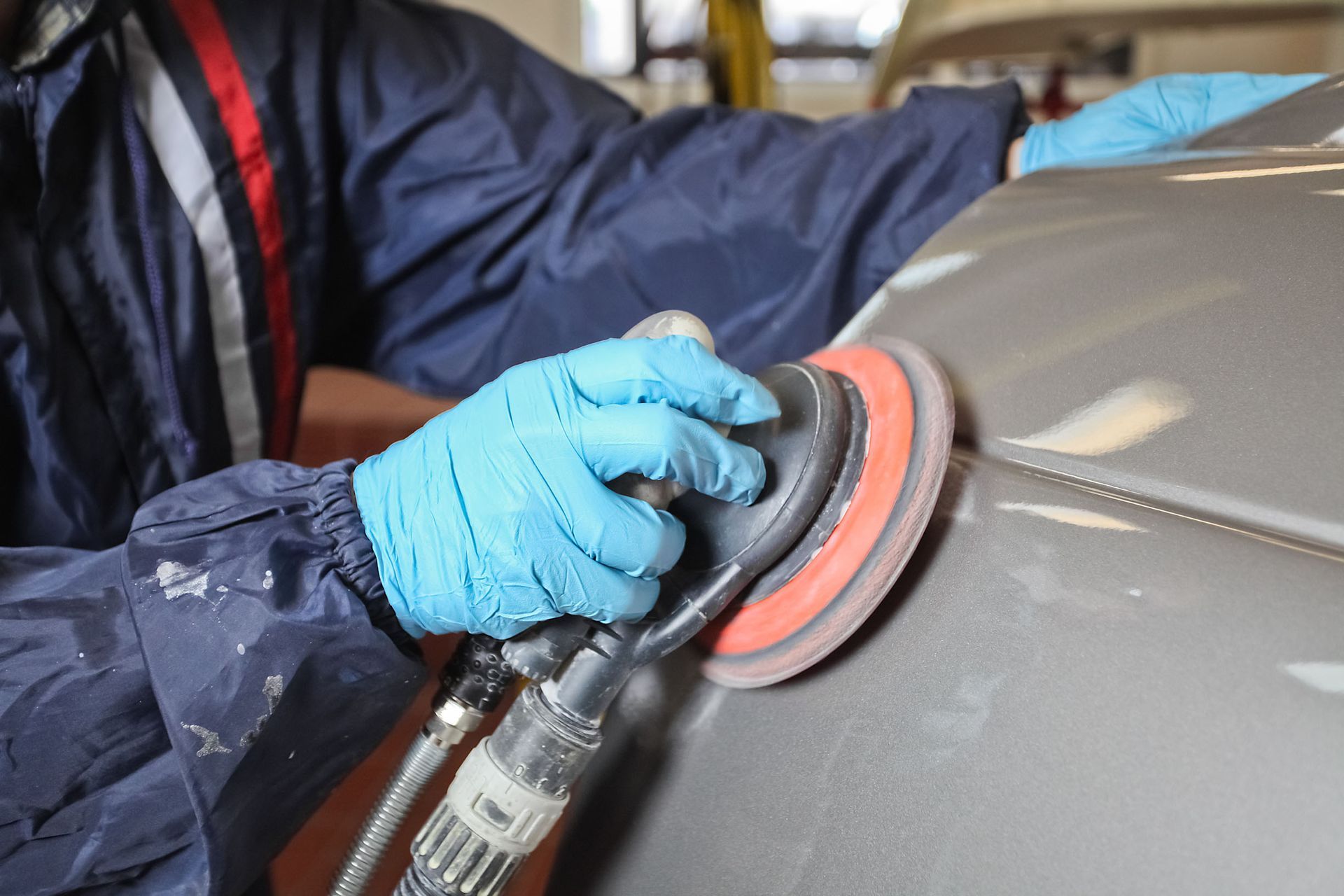
When paint damage is limited to light scratches, oxidation, acid rain etching, or heavy swirl marks that have not penetrated through the clearcoat into the color layer, repainting is rarely necessary. Instead, specialists rely on precision paint correction through wet-sanding and multi-stage machine polishing.
During this process, technicians use ultra-fine, water-lubricated abrasive discs to gently level the microscopic peaks of clearcoat surrounding a scratch until the surface is flat. Once the defect is leveled, they work through a sequence of dual-action and rotary polishers paired with diminishing abrasive compounds and foam pads. This step removes sanding haze and restores deep, mirror-like optical clarity without introducing new heat damage or buffer trails. For minor cosmetic wear, paint correction delivers an invisible fix while retaining the full thickness and integrity of the factory finish.
Precision Rock Chip and Deep Scratch Touch-Up Refinishing
Small, localized chips from highway gravel or sharp key scratches often slice straight through the clearcoat and basecoat down to the primer or bare substrate. Because spraying an entire hood or door for a handful of tiny stone chips can be unnecessary, professional facilities use targeted micro-refinishing techniques.
Technicians begin by thoroughly cleaning the chip with wax-and-grease remover and micro-abrading any loose edges so new coatings bond securely. If bare metal is exposed, a tiny drop of corrosion-inhibiting epoxy primer is applied first. Next, custom-mixed color basecoat is carefully layered into the recess using fine-tipped applicators until it sits flush with the surrounding paint. After curing, clearcoat is applied slightly proud of the surface, wet-sanded completely level with ultra-fine grit, and machine-polished to blend seamlessly into the surrounding panel.
Spot Repair and Seamless Clearcoat Blending
When a scrape, dent, or minor impact damages a concentrated section of a fender, bumper cover, or quarter panel, spot refinishing combined with panel blending offers an efficient, high-precision solution. Modern automotive colors—especially tri-coat pearls and high-metallic finishes—can shift noticeably in tone depending on spray angle, air pressure, and ambient humidity.
To prevent an obvious color mismatch between a repaired section and adjacent body panels, skilled painters apply new basecoat only over the primed repair area, gradually feathering the color outward into the untouched portion of the panel. They then apply a fresh, continuous layer of clearcoat across the entire panel from edge to edge. This technique tricks the human eye by creating a natural, gradual transition in pigment orientation while ensuring there are no exposed clearcoat edges that could peel or trap wax over time.
Full-Panel Refinishing and Computerized Color Matching
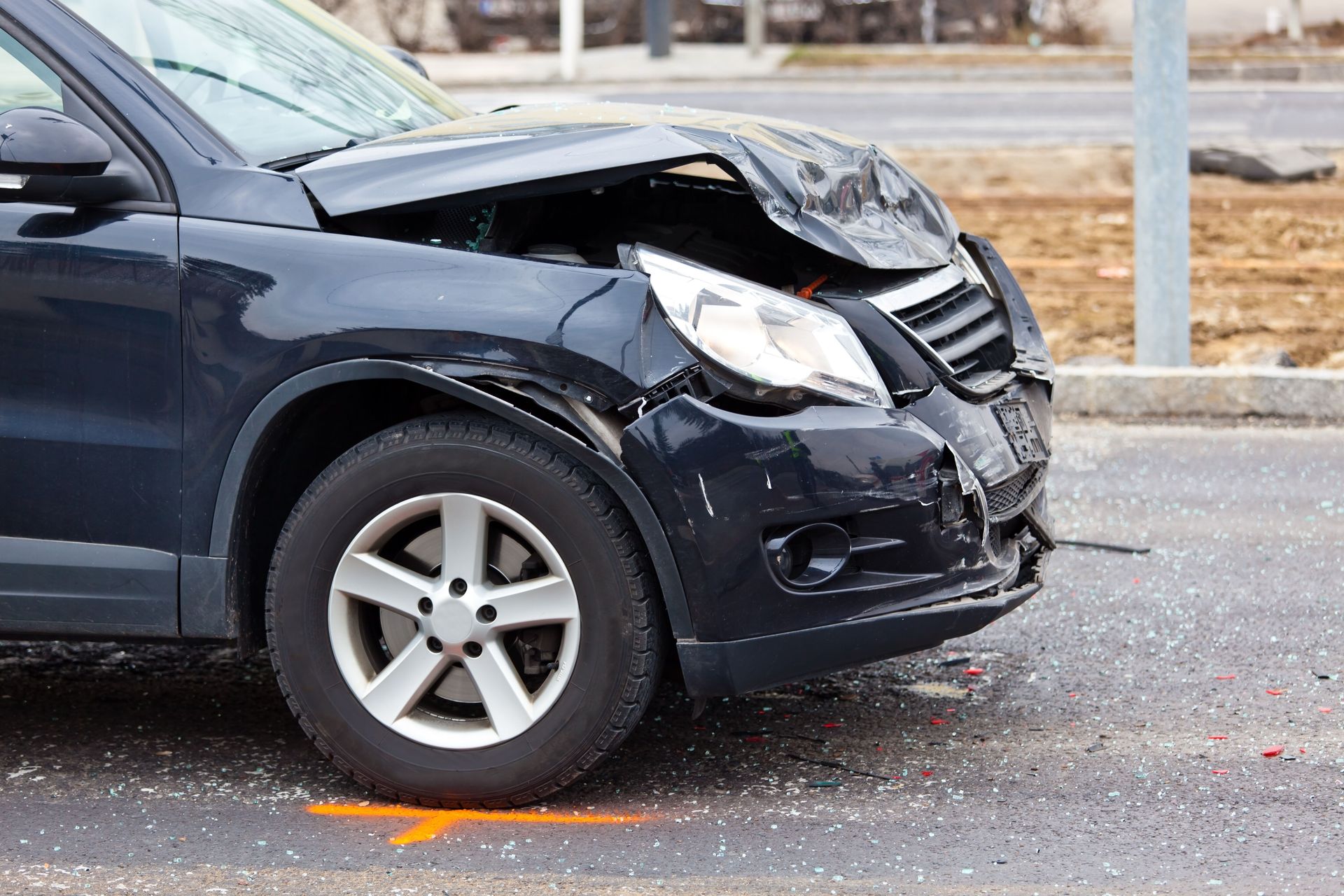
Following a moderate or severe accident, structural panels, doors, or replacement bumpers often require complete stripping, straightening, priming, and full-panel refinishing. Achieving an exact factory match in a professional collision repair environment relies heavily on advanced digital color-matching technology rather than guesswork.
Technicians scan the vehicle’s existing paintwork using a multi-angle spectrophotometer, a handheld optical device that measures how light reflects off the paint from several angles to analyze pigment density and metallic flake size. That data feeds directly into computerized mixing software, which formulates a custom batch tailored to the exact age and sun exposure of the vehicle rather than relying solely on the manufacturer's original VIN paint code. According to Global Growth Insights, waterborne paints now account for 52% of all refinishing jobs in the car body repair market. These advanced waterborne basecoats deliver superior color accuracy, finer metallic flake alignment, and significantly lower volatile organic compound emissions compared to traditional solvent-based products.
Controlled Spray Booth Application and Thermal Curing
Even the highest-quality automotive paint will fail if applied in a dusty garage or cured at inconsistent temperatures. Professional collision repair facilities perform all spraying inside pressurized, downdraft paint booths engineered to filter out microscopic airborne contaminants while pulling overspray smoothly away from the vehicle surface.
Inside the booth, certified refinish technicians apply carefully timed coats of primer, waterborne basecoat, and high-solids urethane clearcoat using high-volume, low-pressure (HVLP) spray guns for uniform film thickness. Once spraying is complete, the booth transitions into a controlled bake cycle, raising temperatures to cure the clearcoat into a hard, chemical-resistant shell. Proper thermal curing locks in gloss, prevents solvent popping, and ensures the restored finish is immediately durable enough to withstand everyday driving conditions.
Post-Refinish Detailing and Long-Term Finish Protection
Once the freshly cured panels cool down, technicians perform a final quality-control inspection under multiple light sources to check for dust nibs, texture consistency, and panel-to-panel color harmony. Any minor surface texture is lightly denibbed and machine-polished so the newly painted surface matches the exact factory orange-peel texture of the rest of the vehicle.
To protect the investment long term, technicians also educate vehicle owners on proper post-repair care—such as avoiding automated brush car washes and waiting several weeks before applying traditional paste waxes so fresh coatings can finish outgassing completely. Combined with ongoing structural and mechanical expertise from a trusted collision repair team, professional refinishing restores both the visual pride and the long-term resale value of your vehicle.
Restoring damaged automotive paint requires far more than covering up a scratch—it demands accurate layer diagnostics, digital color science, clean downdraft spray environments, and skilled application techniques tailored to each type of blemish. Whether your vehicle needs multi-stage paint correction for clearcoat swirls, precision clearcoat blending after a minor scrape, or full-panel waterborne refinishing following an accident, working with an experienced collision repair specialist ensures a durable, factory-accurate finish that protects your vehicle for years to come. If your vehicle's finish has been compromised by scratches, dents, or accident damage, contact Viking Blvd Auto Body today to schedule an estimate and restore your car to showroom condition.