July 17, 2026
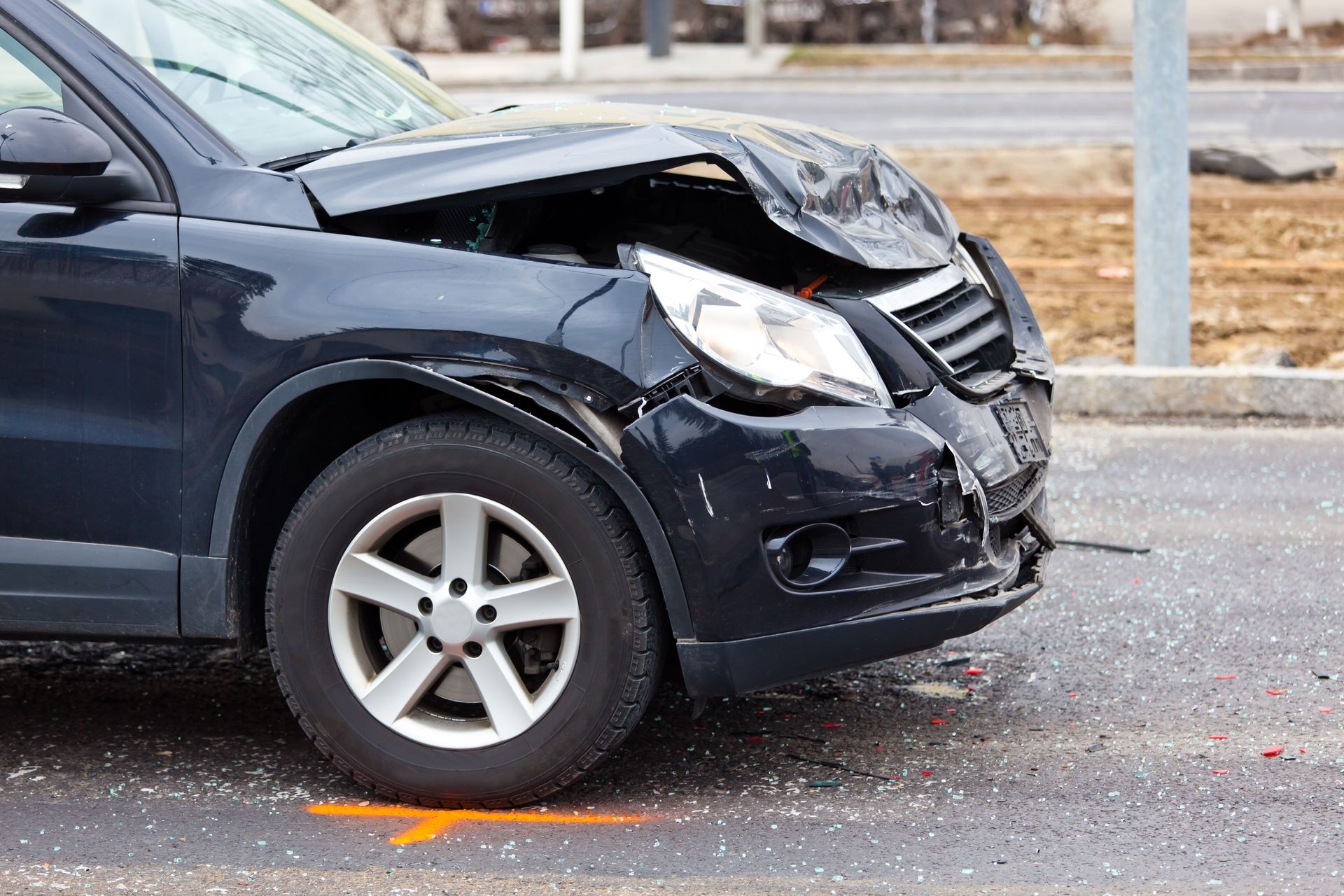
When a vehicle sustains damage, the immediate aftermath can be stressful and overwhelming. Drivers often find themselves wondering about the next steps and whether their vehicle can be fully restored to its pre-accident condition. The process of getting a car back on the road involves careful evaluation and skilled craftsmanship. Navigating the world of auto body repairs requires a solid understanding of what can be fixed and what might be beyond saving. Some impacts leave only minor blemishes, while others compromise the entire framework of the vehicle. Owners must recognize when a vehicle is a prime candidate for restoration and when it might be considered a total loss. Taking the time to evaluate the situation helps ensure safety and peace of mind. By examining various aspects of automotive restoration, drivers can make informed choices about their vehicles. The journey from a damaged state to a pristine condition depends on several crucial factors that professionals carefully assess. Relying on expert guidance makes the entire experience much more manageable.
Assessing the Structural and Frame Integrity
The foundation of any vehicle is its frame, which provides the necessary support and safety for occupants. When an accident occurs, the force of the impact can easily transfer to this underlying structure, causing bends, twists, or significant misalignment. Professionals must conduct a thorough examination of the frame before proceeding with any extensive work. If the core structure is compromised, the safety of the vehicle is severely diminished. Modern vehicles are designed with crumple zones that absorb impact, meaning a severe collision might intentionally damage the frame to protect the passengers. Determining whether the frame can be straightened using specialized machines is a critical step in auto body repairs. If the damage to the framework is too extensive, attempting to restore it might be deemed unsafe or impractical. Technicians utilize advanced diagnostic tools to measure the frame against factory specifications. This meticulous process ensures that the vehicle will handle correctly and remain safe on the road. Restoring the structural integrity is paramount, as a weakened frame cannot withstand subsequent impacts. Careful consideration is always given to the long-term safety implications of structural restoration. Ignoring slight deviations in the frame can lead to uneven tire wear, poor handling, and severe risks during any future accidents.
Evaluating the Cosmetic and Surface Damage
While structural issues represent a major concern, the outward appearance of a vehicle also dictates the feasibility of restoration. Scratches, dents, and paint transfers are common outcomes of minor altercations. These cosmetic issues are often straightforward to address, requiring techniques like paintless dent removal, sanding, and repainting. However, when the outer panels are severely crumpled, torn, or missing, the situation becomes more complex. Technicians must evaluate whether a panel can be hammered out and smoothed or if a complete replacement is necessary. Extensive surface damage often requires sourcing new parts, matching paint colors perfectly, and ensuring seamless integration with the existing bodywork. Quality auto body repairs prioritize returning the exterior to a flawless state, but severe panel damage can escalate the scope of the project. Sometimes, what appears to be minor cosmetic damage actually hides underlying structural issues, making a comprehensive inspection absolutely essential. The condition of the exterior serves as the first indicator of the work required, guiding professionals in their initial assessment. A flawless finish not only restores pride of ownership but also protects the vehicle from environmental elements that cause rust and degradation. Proper color blending techniques are utilized so that the new panels seamlessly fade into the older, original paintwork, creating an invisible transition.
Exploring the Mechanical and Electrical Components
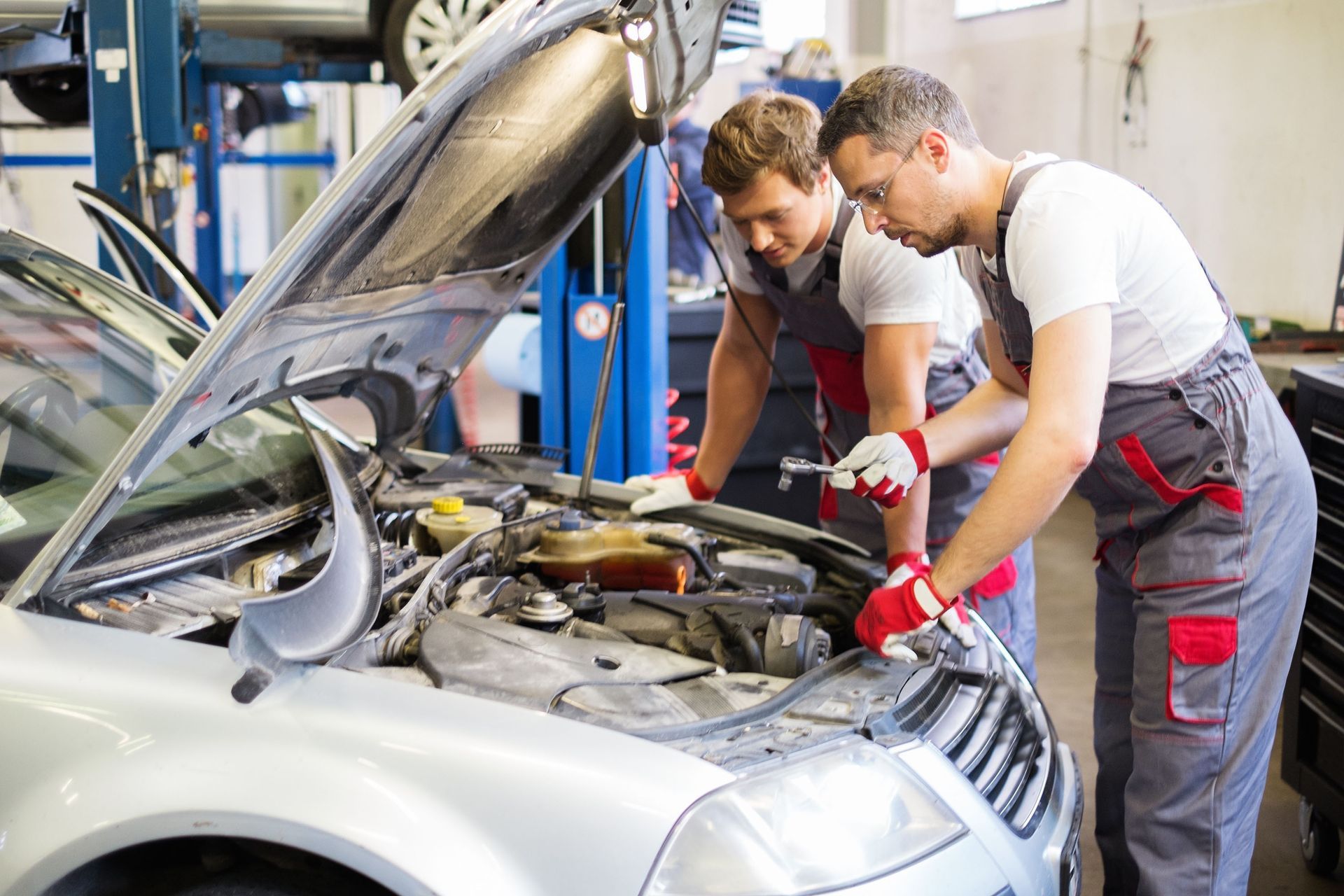
A severe collision rarely confines its effects to the exterior panels and frame alone. The intricate mechanical systems and electrical networks that run throughout a vehicle are frequently disrupted during an impact. Radiators, suspension components, steering columns, and complex sensor arrays can sustain significant damage that is not immediately visible. Technicians must look beyond the surface to diagnose issues with the engine compartment, drivetrain, and exhaust systems. Furthermore, modern vehicles rely heavily on electronic control units, parking sensors, and advanced driver-assistance systems. A seemingly minor bump to a bumper can misalign critical sensors, requiring meticulous recalibration. If the impact has severed wiring harnesses or damaged essential computers, the restoration becomes incredibly intricate. Integrating mechanical and electrical fixes into standard auto body repairs is crucial for the vehicle to function safely. A holistic approach to damage assessment ensures that every system operates seamlessly and safely before the vehicle is returned to the owner. Safety restraints, including airbags and seatbelt pre-tensioners, must also be meticulously inspected and replaced if deployed or stressed during the collision.
Understanding the Industry and Market Context
The automotive restoration industry plays a massive role in maintaining safe roadways and extending the lifespan of vehicles globally. Professionals in this field continuously adapt to new materials, such as high-strength steel and aluminum, which require specialized techniques. As vehicle designs evolve, so do the methods required to restore them effectively. According to Global Growth Insights, collision repair services contribute 39% of the global car body repair market. This massive segment underscores the constant need for expert evaluation following an accident. Technicians undergo rigorous training to stay abreast of the latest manufacturer guidelines and safety protocols. The demand for meticulous restoration reflects the value owners place on their vehicles and their safety. Quality auto body repairs rely on a deep understanding of these evolving technologies and industry standards. As the market expands, facilities invest in advanced equipment to handle increasingly complex restorations. The commitment to excellence within the industry ensures that damaged vehicles are treated with the utmost precision. A robust network of professionals works tirelessly to bring damaged vehicles back to life, provided the restoration is viable and safe. The dedication to maintaining high standards protects consumers and keeps the roads populated with vehicles that perform as intended by their manufacturers.
Navigating the Insurance and Valuation Process
The decision of whether a vehicle is too damaged to fix often heavily relies on the insurance assessment. Insurance adjusters evaluate the estimated cost of restoration against the actual cash value of the vehicle prior to the accident. If the cost to restore the vehicle approaches or exceeds a certain threshold of its overall value, it is typically declared a total loss. This financial calculation is a primary determining factor, even if the vehicle is technically capable of being fixed. Owners must work closely with their insurance providers and trusted professionals to understand these valuations. The appraisal process takes into account depreciation, market demand, and the specific condition of the vehicle before the collision. Transparent communication regarding auto body repairs helps owners grasp the financial realities of their situation. Sometimes, owners may choose to retain a salvaged vehicle, but this introduces complications regarding future insurability and safety certifications. Understanding the intricacies of insurance policies and claims can alleviate much of the stress associated with severe vehicle damage. Clear guidance throughout this process is invaluable for owners facing difficult decisions about their transportation. Navigating this financial maze requires patience and a clear understanding of the terms outlined in the individual coverage agreement.
Determining the viability of restoring a vehicle requires a careful balance of structural analysis, cosmetic evaluation, and financial consideration. A thorough inspection by seasoned professionals is the only way to truly understand the scope of the damage. While modern technology allows for incredible feats of restoration, safety must always remain the ultimate priority. When the frame is permanently compromised or the financial burden outweighs the value of the vehicle, letting go might be the most prudent choice. However, many vehicles can be successfully brought back to their former glory with the right expertise. Trusting experienced technicians ensures that every aspect of the damage is addressed, leaving no hidden dangers behind. Making an educated choice about a damaged vehicle empowers owners and ensures they are investing their resources wisely. For those seeking reliable guidance and top-tier auto body repairs, professional assistance is just a step away. Reach out to Viking Blvd Auto Body today to learn more about restoring your vehicle safely and effectively.